
Quintessential San Francisco Crab Cioppino – AKA: “Chuh-PEE-no,” Say it Right!


As I walked down California street from Nob Hill after a ‘business’ meeting with some hooligans outside of the Tonga Room, I felt the rain begin to hit the brim of my hat and muttered, “Oh, just my luck.” The meandering fog brushing past my lapel, onward through the mighty spires of the Financial District, turned to a light downpour, and I wasn’t in any hurry to get wet. Not, at least, after how my day had been going.
The leads for the Thompson case were growing thin and even the greenest gumshoe knows it’s time for a change in scenery.
I picked up the pace, trying to outrun the ominous, ever increasing torrent, knowing that my destination, my respite, was mere blocks away. Through the fog, I heard a buzzing clatter grow louder, and knew that this wasn’t a foul phantasm, but rather, my chariot approaching. I hopped onto the cable car, hanging off it’s lumbering side. Past Montgomery, past Sansome, I knew I was almost there. I jumped off, narrowly missing a newly formed puddle the size of a jalopy. At least one thing was going my way.
Walking through the door of Tadich’s, I was met by the stern, yet inviting face of Bruno, the joint’s maitre d’. His countenance gave the impression that back in the old country, he had seen things, too many to talk about in polite conversation. Serving up some of the best seafood in town was his calling now, but give him any lip, and you’ll find yourself on the curb with a bloody nose, and probably a few less bills in your billfold.
Bruno sat me at the bar and I couldn’t help but admire the sheer dichotomy of its warm light and ambiance with the cold sleet that was falling outside. The drone of the clientele playfully matched the static sound of the rain, creating an interesting cognitive dissonance. Don’t mind the cats and dogs outside; in here, we forget our sins, or create new ones…
A busboy swung by, removed my coat, and fashioned a bib around my neck. I guess I’ll have to swing by the coat check and tip the dame at the counter a few greenbacks along with my card. Mission-587, sweetheart, call it anytime.
I didn’t have to say a word, and a large bowl of Cioppino was put in front of me. Bruno knows when someone’s luck has been running out, and he clocked me the moment I walked through the door. He knew the only remedy would be to bask in the warm tomato and white wine broth, with the smell of the sea beckoning. And the crab…oh, the crab! No speakeasy from yesteryear could match the buttery malaise that a crab feast can give.
As an old fisherman down at the Wharf once told me, “There are no finer jewels of the briny deep that glimmer as greatly as the Dungeness.”
As I dug into this soupy treasure chest of the Pacific, my thoughts escaped me, and I even forgot about the slug in my shoulder that Garcia cheerfully put there last February. Yeah, someday, I’ll wipe that grin off your smug face, Garcia.
Sitting here, I was right where I wanted, no…NEEDED to be. Time to forget about the Thompson case for a bit as I sop up some of this broth with some tasty sourdough and make a mess of the place… Oh, and don’t forget the shot of clam juice…
This is it, one of the most famous dishes to come out of my hometown of San Francisco. Say it with me, “Chuh-PEE-no!” I’ve heard so many other incorrect pronunciations like “chee-o-pee-no” or “see-a-peeno” (If you want that one, I know a few spots…).
There are many stories as to the origins of Cioppino, but it’s all agreed that it involved Italian immigrant fisherman pooling their catches and cooking up a grand seafood stew for the whole crew to enjoy. There is no ONE definitive Cioppino recipe since that would go against the nature of the dish itself being the catch-of-the-day, but there are some fairly agreed upon tenets. With a tomato and white wine base, it should include a local whitefish, some shrimp, some shellfish, but most importantly, local Dungeness crab.
I look forward to making this every year, and the time is nigh! Cioppino is most widely made and eaten during Christmas and the new year since crab season happens during the end/beginning of the year. I’ll quit wasting time and get down to brass tacks. This one is quite a bit of work, but it’ll pay off. Enjoy!
Servings Size: 4…or 3 Mes
- 1 Fully Cooked Dungeness Crab
- 14 PEI Mussels
- 14 Little Neck Clams
- 14 Shrimp
- 1.5 lbs Whitefish (Rockfish, Cod, Halibut…)
- 1 cup Dry White Wine (non alcoholic option available in description
- 1 1/4 cups Seafood Stock (also see N/A option)
- 3 oz. bottled Clam Juice (plus more as an aperitif)
- 1 large bulb Fennel, chopped
- 1 large Yellow or Sweet Onion, diced
- 8 Garlic cloves, minced
- 1 28 oz. can Whole Tomatoes, hand-crushed
- 1 12 oz jar Roasted Red Peppers, chopped
- 2 Tbsp. Oregano, dry
- 2 Tbsp. Thyme, dry
- 1 tsp. Red Pepper Flakes (just for a little flavor)
- Extra Virgin Olive Oil
- Lemon
- Parsley
- Sea Salt
- Fresh Ground Black Pepper

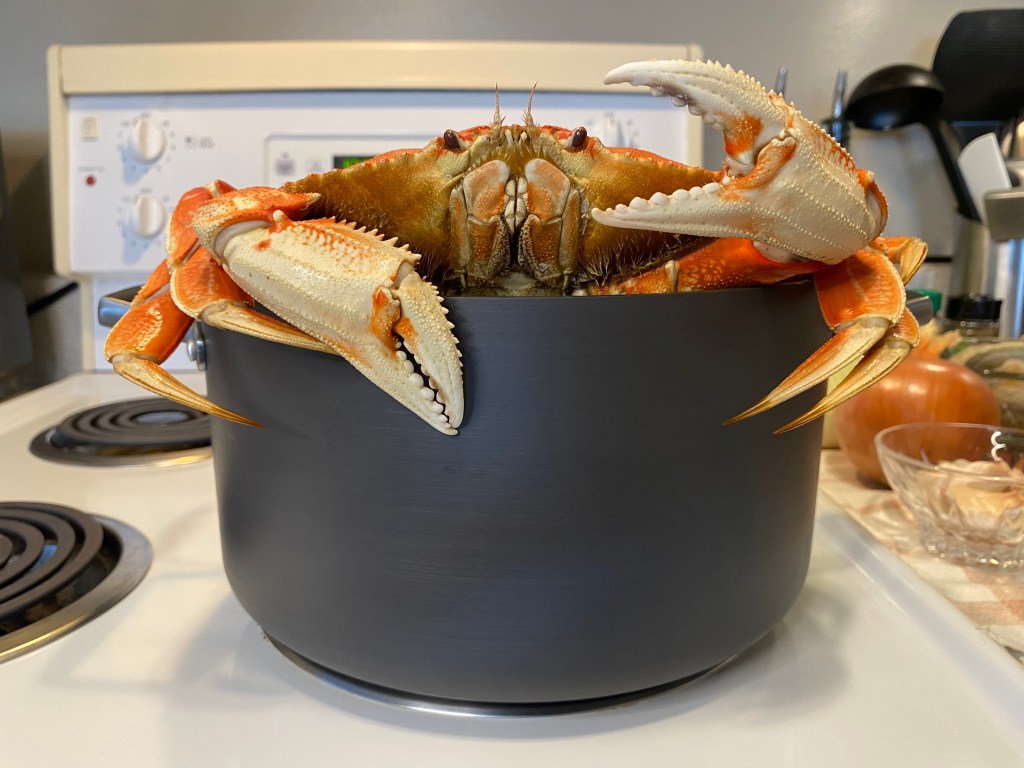
1.). As I mentioned earlier, Dungeness crab season off the coast of San Francisco usually runs from November through the spring (barring any interference by mating whales or toxic algae blooms ruining our fun!). Buying a whole crab, already cooked, is the preferred method here, but if you want to murder your very own crustacean by boiling it alive while it screams in agony, be my guest. If neither of these options are available to you, you could even throw in some canned crab meat, but as I’m already assuming you’re thinking, that’s a pretty unorthodox and almost downright sacrilege way of doing things.
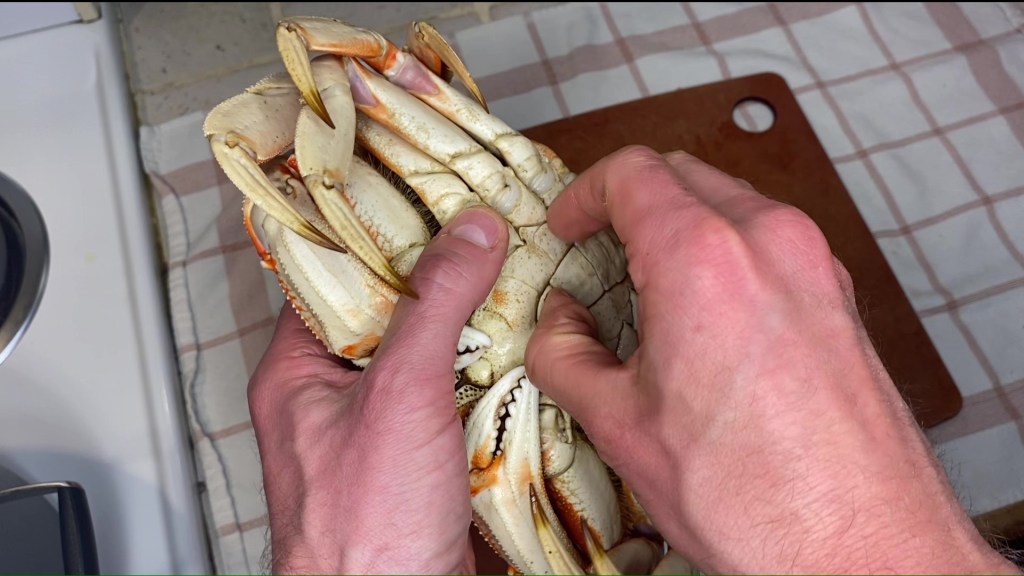
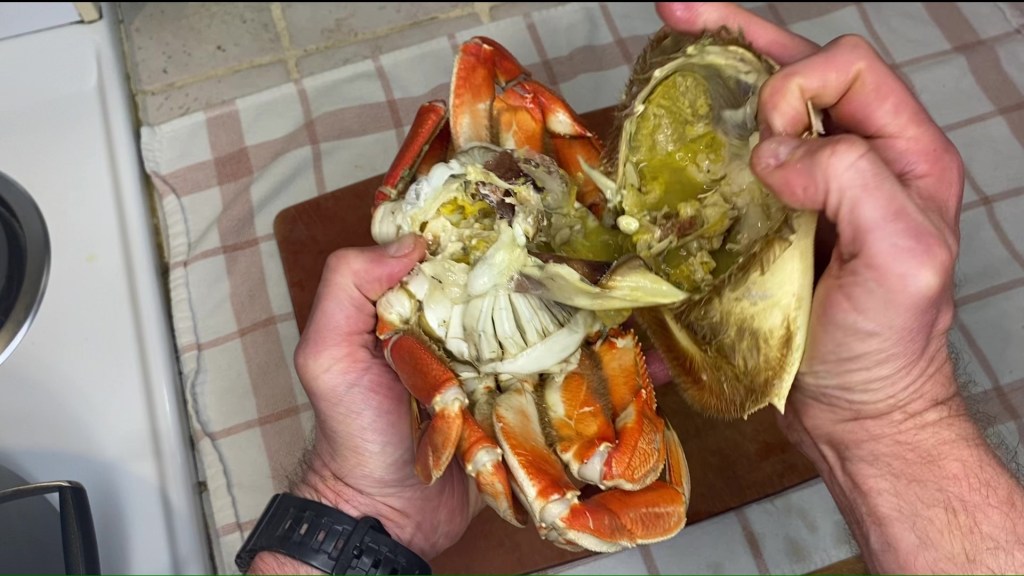
I’m hoping you’re going the cooked whole crab route and there are a few tips I can give on how to clean your crab. First, you’ll need to pop its lid, so turn the crab belly up, and by the backside, there will be a little tab-looking piece of the shell. Pull that up and away from the crab, flipping it back over and prying off the “lid” from the rest of the crab. You’ll want to clean out all the goopy bits as well as the gill looking things, which are exactly what they are. Take your best chopping knife, preferably either a cleaver or a hefty German-style chef’s knife, and split the whole thing in two. By the way, my light Japanese santoku does the trick, it just needs some extra oomph.
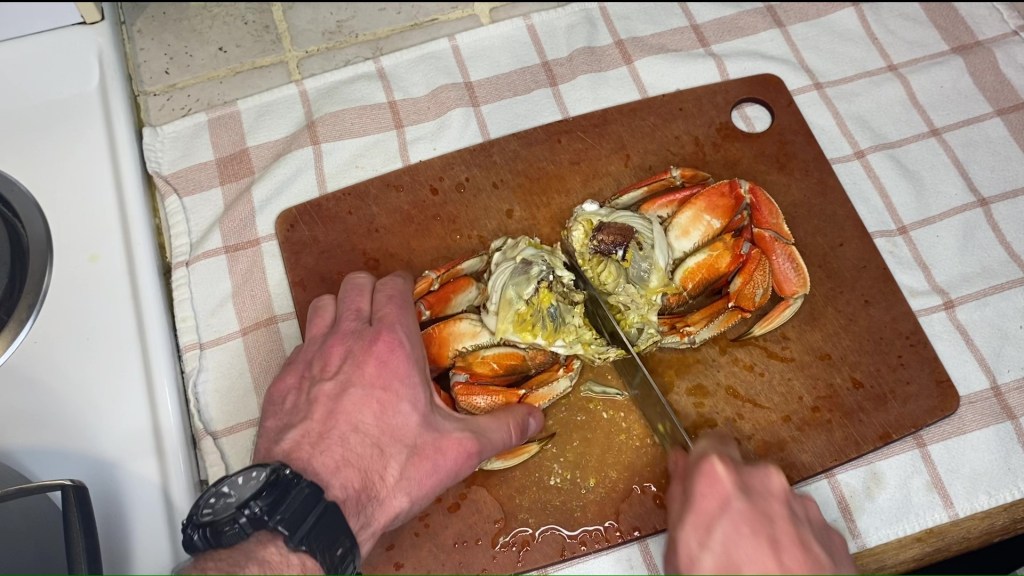
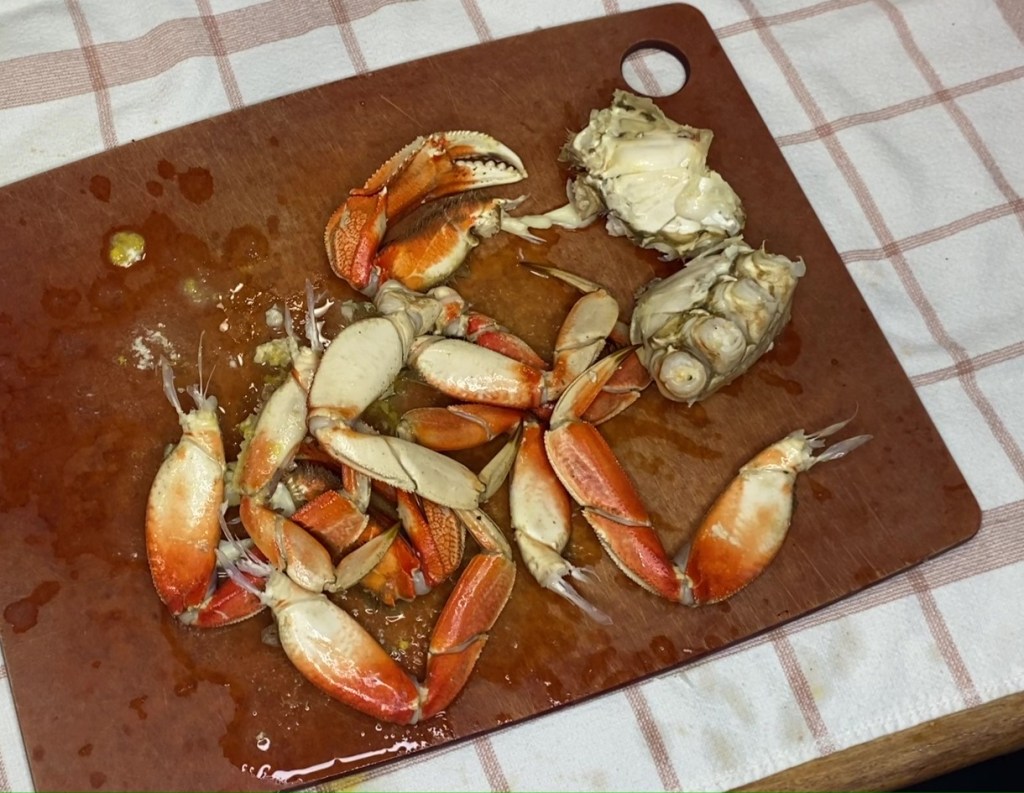
Next, you’ll want to separate the legs from the body. Simply pulling them apart will very much do it, although you can chop them off as well. Now, you’re going to want to crack them. You can use something specially marketed as a shellfish cracker, but a nut cracker should also work. This is going to not only make it easier to eat at the table, but exposing the meat to the broth will only add flavor to the mix. Once you are done, put everything to the side, and our first step here will finally be included in our last step.
2.) The main vegetable that will flavor the broth is fennel. Fennel grows rampant through the Bay Area and is key to Cioppino’s flavor. Just here in the City, I see wild fennel growing in the smallest of patches, even road medians. It seems to really love it here. Trim off the stems from the bulb and give that bulb a chop. Don’t worry about dicing too fine, it’s not necessary. Next, move on to a whole medium yellow or sweet onion and dice that up. Dice up your roasted peppers too, mince your garlic, and gather your oregano, thyme, and pepper flakes.
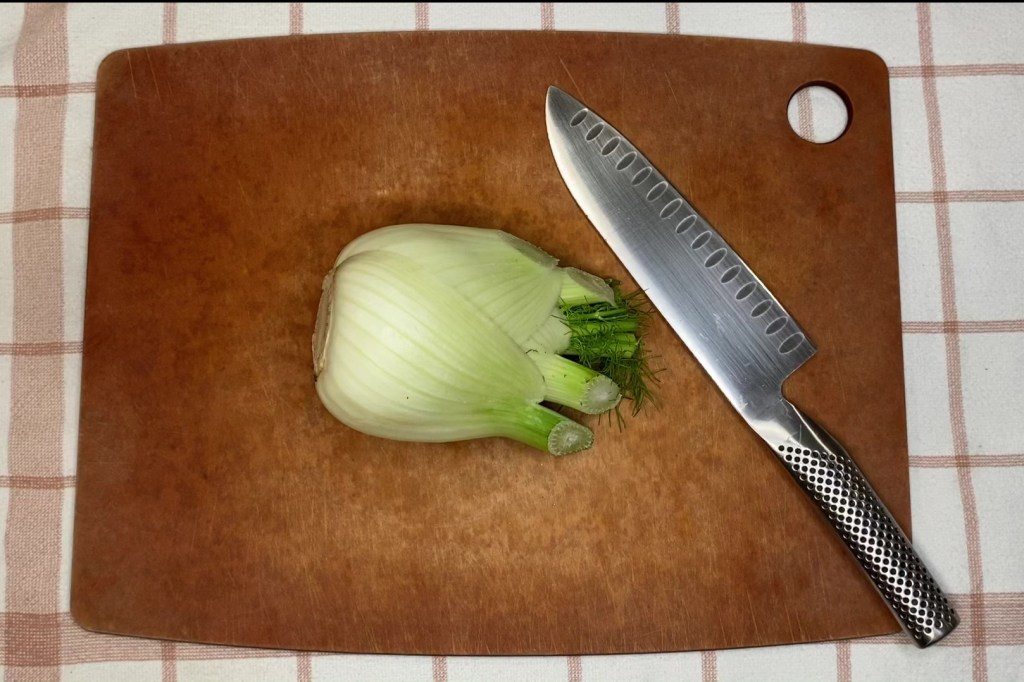
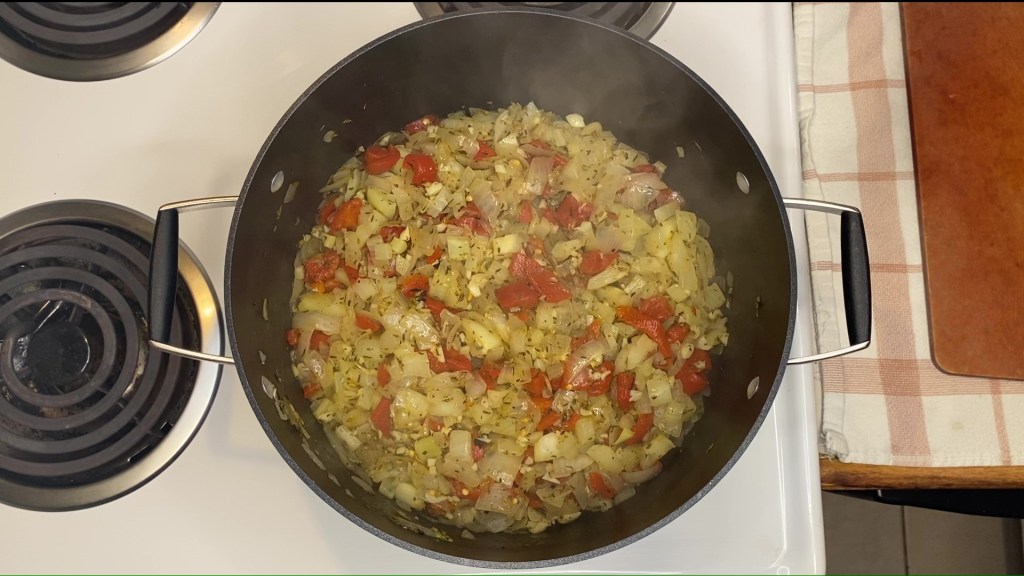
Heat up a large stockpot or Dutch oven on medium heat. Add olive oil and wait until it shimmers, so you know the oil is ready. Add your fennel and onion and cook for 7 minutes, stirring every other minute. You don’t want it to brown, just soften and turn opaque. Add the roasted peppers, garlic, and herbs and cook for another 3 minutes. Add a spot of sea salt (what other kind!?) and freshly ground black pepper.
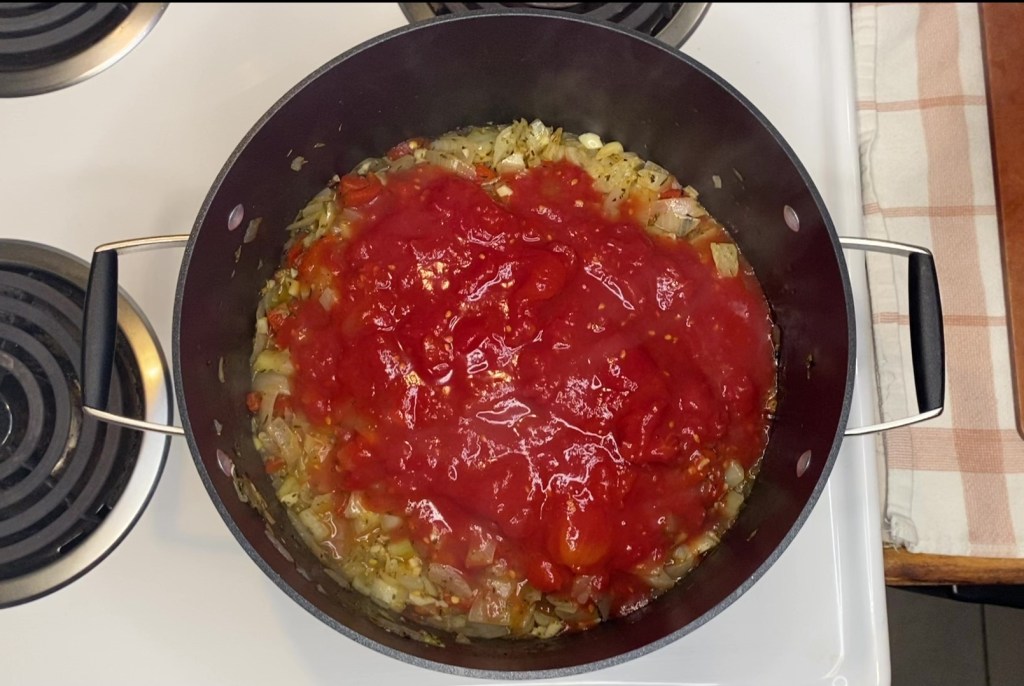
3.). Pour the contents of your can of whole tomatoes into a large mixing bowl. Place a paper towel over the bowl and put your hand under it and crush those little tomatoes. The paper towel will minimize any spurts getting all over the place. You’ll want to keep your workspace tidy because later when it comes to eating the Cioppino, all bets are off when it comes to cleanliness! Add the crushed tomatoes to the pot and warm up.
Traditionally, a crisp, dry Californian Sauvignon Blanc or Pinot Grigio is used as the next step in the base. Italian whites such as Vermentino, Soave, or Vernaccia go very well in lieu of the California produced French varietals. You will be adding 1 cup of your preferred white wine to the base and remember, never cook with wine you wouldn’t drink.
However, if you’re like me and don’t cook with wine, newly opened white wine vinegar will do as well. Don’t use any bottles that have been sitting around for years in the back of your cupboard as their flavor will have dissipated. The amounts of stock to wine in my ingredients list will change thusly:
- 2 cups Seafood Stock
- 1/4 cup White Wine Vinegar
*!!!* Use either the ratio from the main ingredients list OR the one directly above and add the stock and wine (OR vinegar) to the base. DO NOT add both the wine and the vinegar. Bad things happen if you do. Don’t let bad things happen. *!!!*
Clam juice is a traditional part of the Cioppino experience. Many seafood restaurants in San Francisco will offer a shot of clam juice at the beginning of the meal. If you know the right spot, you can offer to buy some of their clam juice since the bottled stuff almost never does the fresh stuff justice. In any case, if The Old Clam House on Bayshore Ave. isn’t near you, the bottle will do. Add 3 ounces of clam juice to the broth for an extra boost. Now’s also a good time to add an extra glug of olive oil and some lemon juice from half a lemon for good luck.

4.). This dish doesn’t require any long simmering times, so we’re really coming down to it already. You’ll want to make sure your clams and mussels are de-bearded, but many seafood markets will have probably made sure they’re ready to go and all you have to do is give them a good rinse to make sure no particulates like sand get in your stew. Sandy stew is not good stew.
Make sure the pot has a low simmer to it and add your mussels and clams just underneath the liquid. Cover for 8 minutes and come back to see if all of your shellfish have opened. If they have, we’re moving on. If not, re-cover and steam for another few minutes. Even a crack is fine, but if they don’t open at all, they were already dead before you put them in and they will be very untasty if you pry them open and may even lend a bad taste to the whole dish. Remove and discard the unopened ones. This is why I listed a strange number of shellfish in the ingredients because shellfish loss to some degree is almost an inevitability.
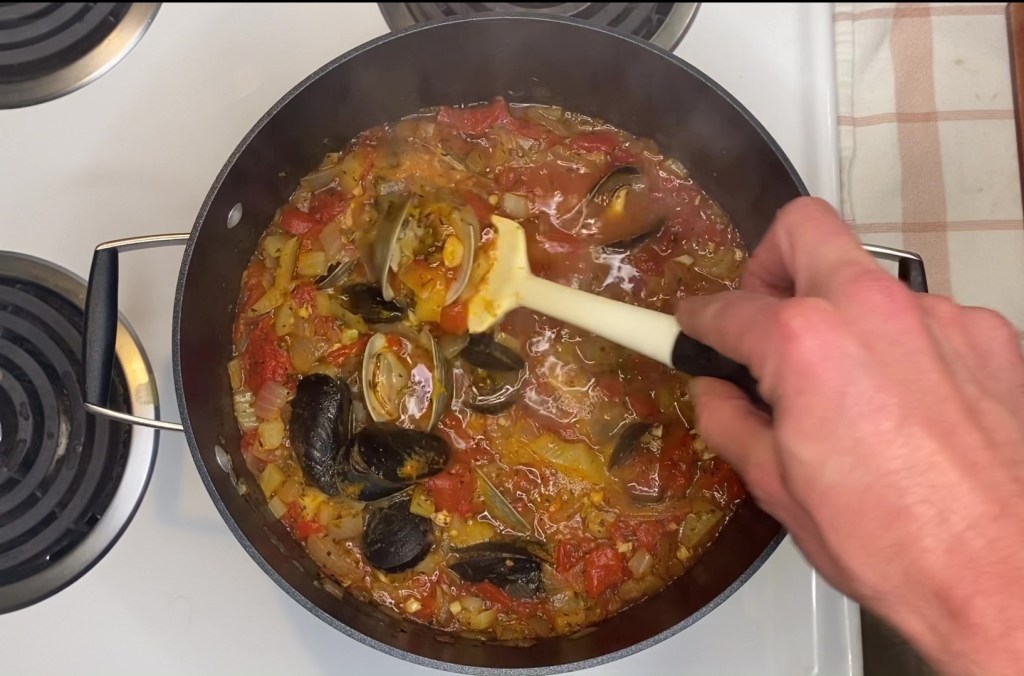
5.). The whitefish is a very simple, but vital part of the stew. Wild Pacific Rockfish is my go-to since it is caught right off shore and is truly authentic to the dish, and most importantly, readily available to me. In reality, any whitefish will do, even Tilapia or something else that isn’t found off the coast of California. Cut the fish into 1 inch pieces, because any smaller, they will dissolve into the soup. Add the fish and thawed shrimp (tails-on for presentation) just under the liquid and cook for 5 minutes or until the shrimp and fish are pink.

Remember the name of the dish? Oh, yeah, there’s crab in it! Remember you did all that hard work at the beginning? Well, that work is about to pay off. Add your cracked crab legs and, if you’ve got room, the half body parts to the mix. Let that simmer to warm up for a few minutes since were not re-cooking the already cooked crab.
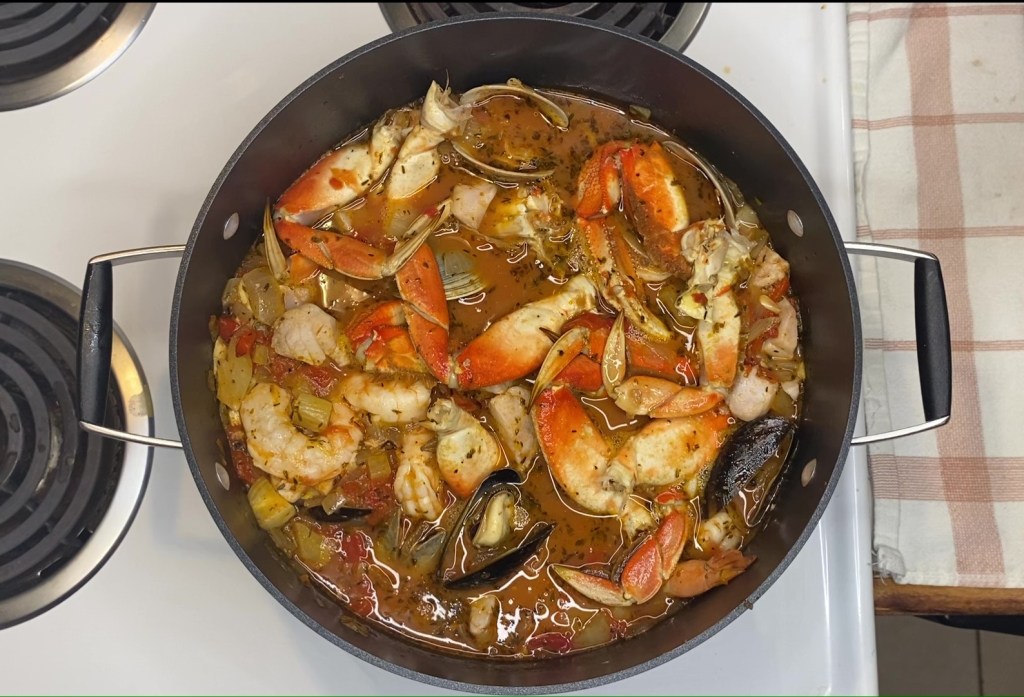
You know what? You’re pretty much done. Once again, there’s no long simmer times for this one. Once the seafood is done cooking, we’re ready to serve. If you want to let the flavors intermingle for a while, let it sit off-heat, covered for an hour, mix it up, and heat it back up a bit, and it’s feastin’ time!
How to Serve:
This is going to be messy. Prep your table for the apocalypse and make sure you’re not wearing any clothes that you can’t throw into the washing machine. Bibs are recommended for even the most seasoned of salty sea-dogs seated at this space. Have a bowl for your shells handy, perhaps a shell cracker, and as customary in many establishments, a shot of extra clam juice as an aperitif. Don’t forget to garnish with some lemon and Italian parsley.
In my opinion, the most important accompaniment would be San Francisco sourdough bread. If you’re nowhere near us, buy the freshest sourdough loaf you can and slice it up. I like toasting it in a pan with butter and using small pieces as a spoon to soak in the broth and pick up small pieces of the stew.
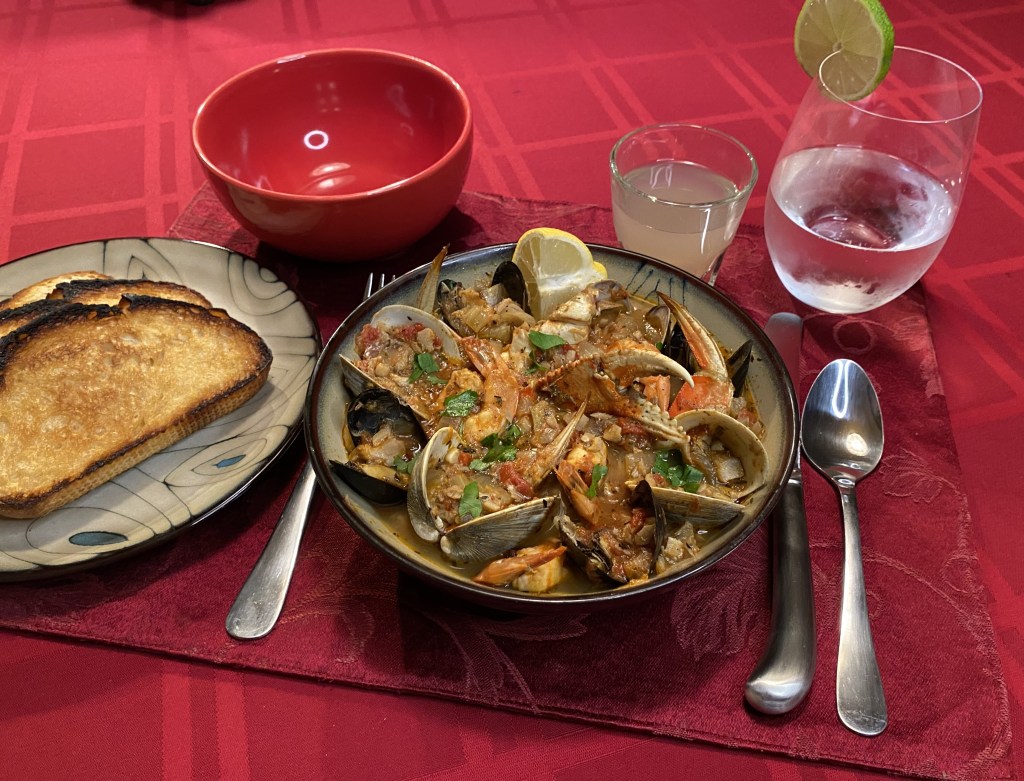
This is a dish, and experience, best shared with others. Don’t worry about getting everything everywhere. You can worry about that tomorrow. For now, partake in one of my favorite end-of-the-year traditions from my City. Polish off the white wine you used for the dish, and like our character at the beginning of this adventure, create some new sins like a true Sa’fra’siscan.

Leave a comment