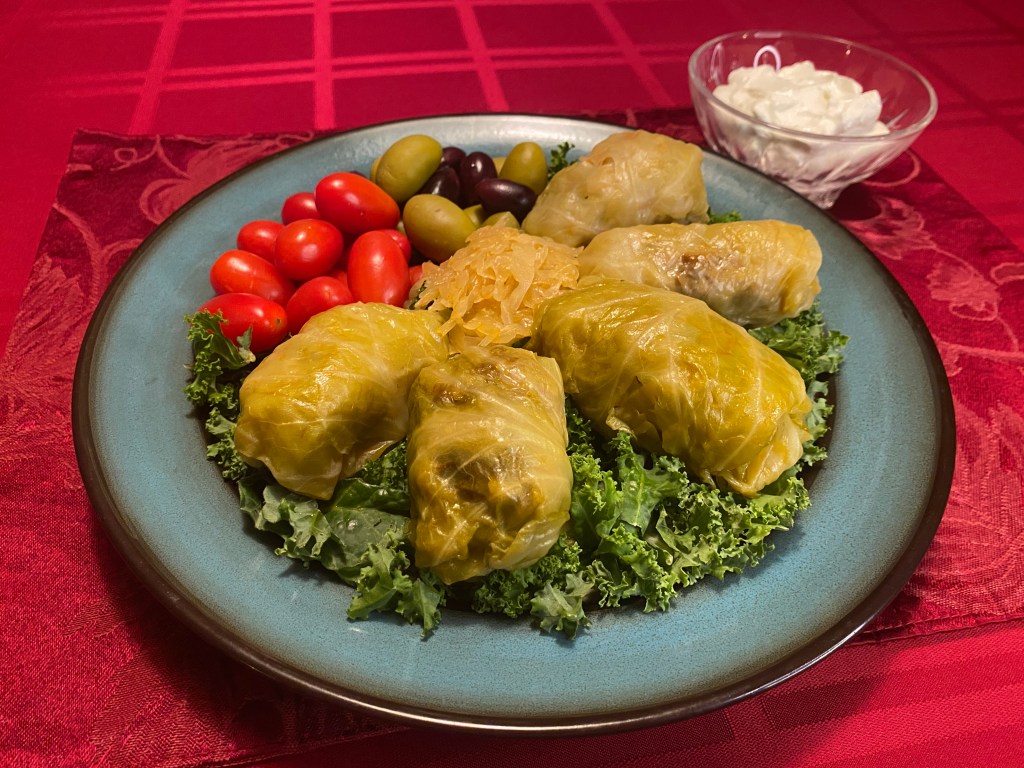

Grandma’s Sarma – AKA: Croatian Pigs In A Blanket
My family came to California from Croatia, a small country on the crossroads of the Mediterranean, Central Europe, and the Balkans. You can go from town to town and see the influence of so many cultures that came and went: the Venetians, the Hungarians, the Ottoman Turks. Even the Slavs who merged with the local Illyrian population came from more eastern realms around the 8th century. All of these things make the country what it is today.
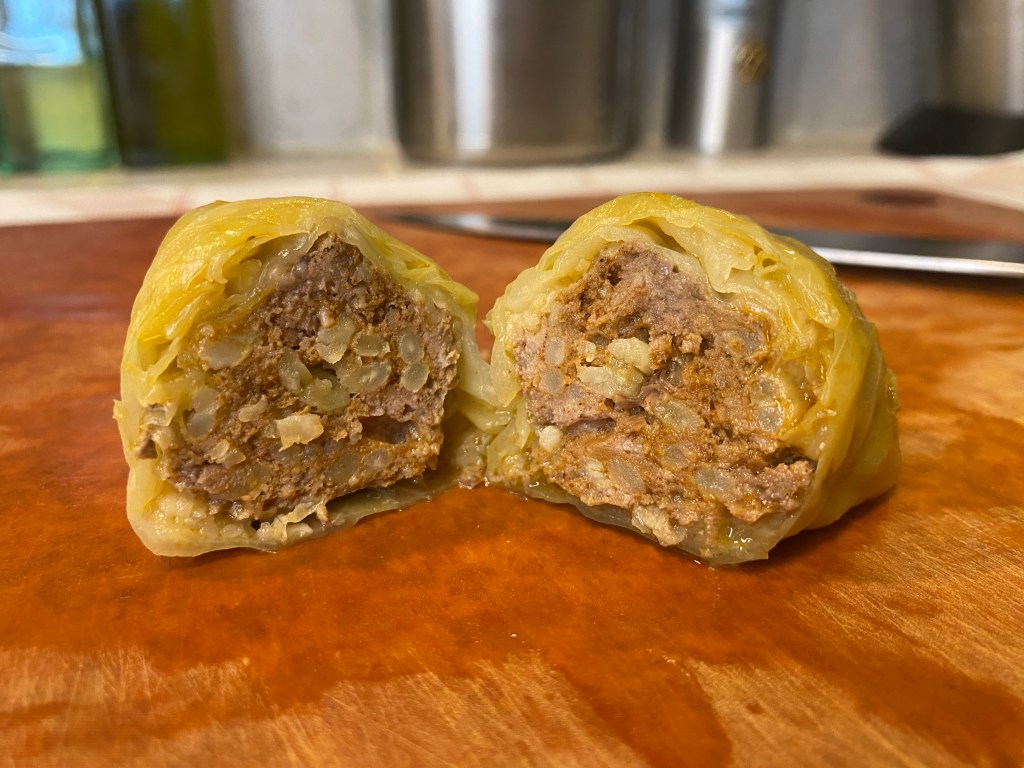
Sarma came from that Turkish influence when the Ottoman empire ruled the entire Balkan peninsula that makes up much of south-eastern Europe. It consists of seasoned meat and rice wrapped in cabbage leaves. Greek Dolma is extremely similar, but wrapped in grape leaves and drenched in olive oil.
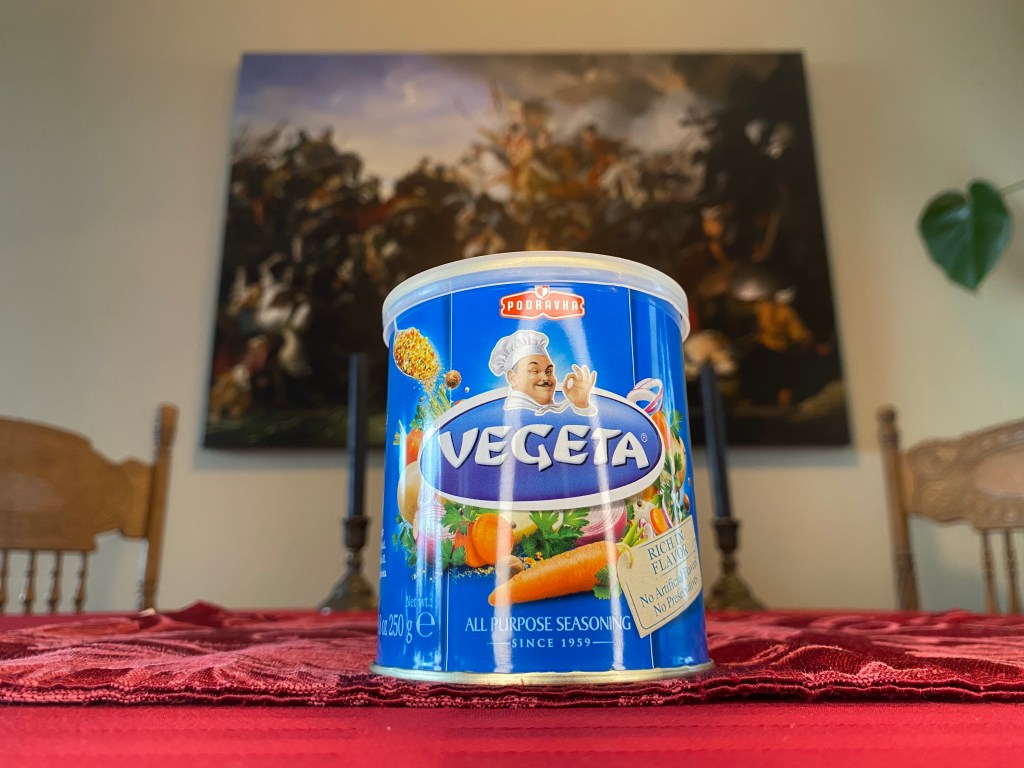
This Sarma features the seasoning, Vegeta. If you’re familiar with the DragonBall: Z franchise, this is not the same Vegeta by any stretch of the imagination. Vegeta is a dried seasoning powder that is ultra popular in eastern Europe, hailing from Croatia, but my family had already left before its introduction. I feel I would be remiss if I didn’t include it in this new version of my grandma’s recipe. I’ve seen it sold outside of Europe, but there’s always the internet, which is how I bought it. It’s not expensive. It’s dried powder.
Sarma is traditionally served in the winter, but that’s where we can throw tradition out the window. Who needs the seasons to dictate when I can enjoy something? I shake my fists at the heavens and the infinite darkness that surrounds all things and impose my own free will upon the universe!
This really is based on my grandma’s recipe, which was interesting trying to decipher the, um, not so good English as it was written. I did modify it a little, but that’s what makes cooking interesting. Now it’s time to create your own fictitious memories of the Dalmacijan coast along the Mediterranean and enjoy something new. Živjeli! (zhee-vyeh-lee), To life!
Servings: 8-12 (8 If served as main dishes. 12 if side dishes…..or 4 hungry mes no matter how it’s served.)
Ingredients:
- 1 lb. 80/20 Ground Beef
- 1 lb. 80/20 Ground Pork
- 2 large heads of Green Cabbage
- Start at ~32 oz. of Sauerkraut, 64 oz if you mean business
- 1/2 Cup Long Grain White Rice
- 1/4 large Yellow Onion, diced
- 8 Cloves Garlic, minced
- 3 Tbsp. Vegeta seasoning
- 2 Tbsp. Hungarian Paprika
- Water
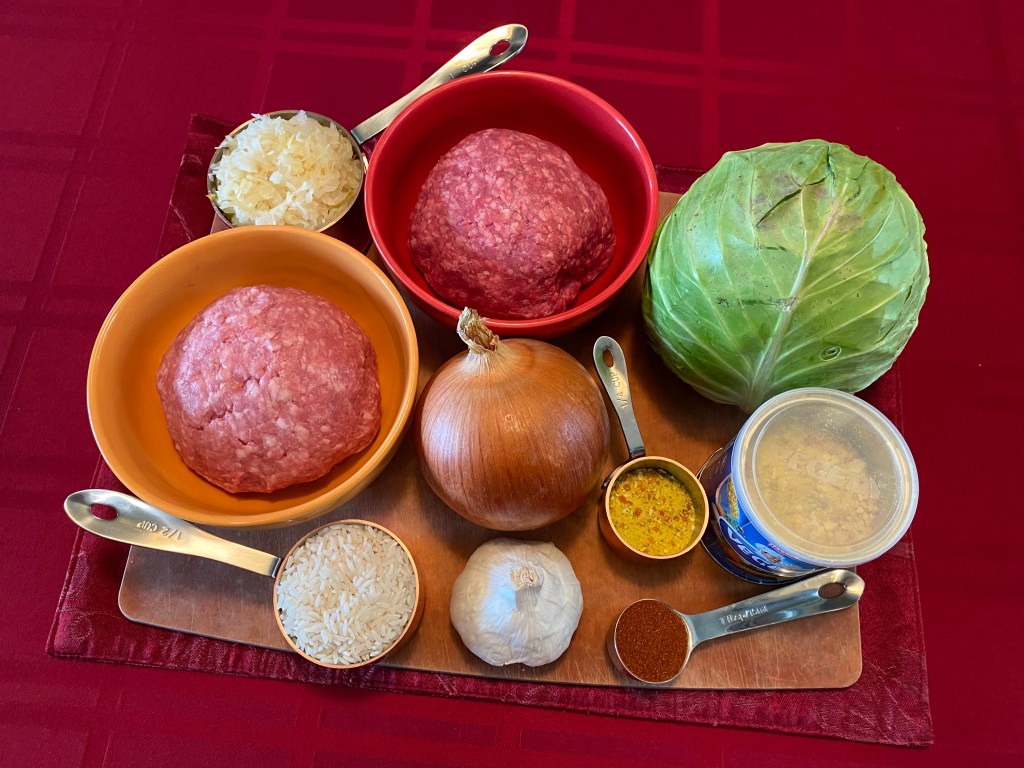
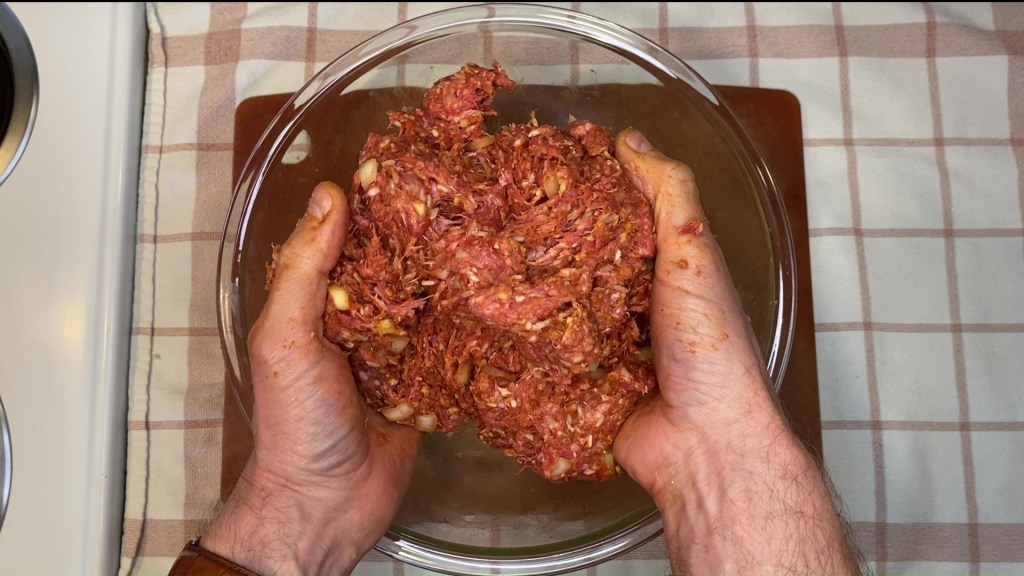
1.) Combining our ground meats will be our fist step. Get a large mixing bowl and mush ’em all up together until the two different colors of meat can’t really be differentiated. 80/20 blends for both work best, but especially for beef, if all you have is a leaner grind, that’ll be fine. Add 1/4 cup of water to the mix.
Dice the onions and mince the garlic. Measure out your Vegeta and paprika, and then add all of these things to the bowl. Finally, add the rice. Mix this up with your hands for an extended period of time. Don’t worry if the onions seem like they’re big, they’ll dissolve when you cook them.
2.) Get the largest, widest pot you own, and add 4 cups of water. This is going to be the beginning of a very arduous and delicate process of softening the cabbage leaves so that they can be stuffed. Bring the water to a boil, and then reduce to a simmer. While you are waiting for the water to heat, continue on to the next step.
Make small incisions to the base of each leaf so that it can be easier to remove them. Peel them off the whole cabbage slowly and carefully, making sure to minimize any slits in the leaves. Cut off the thick bottom portion of the leaf, making angular cuts into the base of the leaves so that when folded, the leaves are nice and flush.
Once the water is going, add them directly to the pot for 3 minutes and cover to steam them. Carefully remove them with a slotted spoon and/or tongs, and place them somewhere to dry a little.
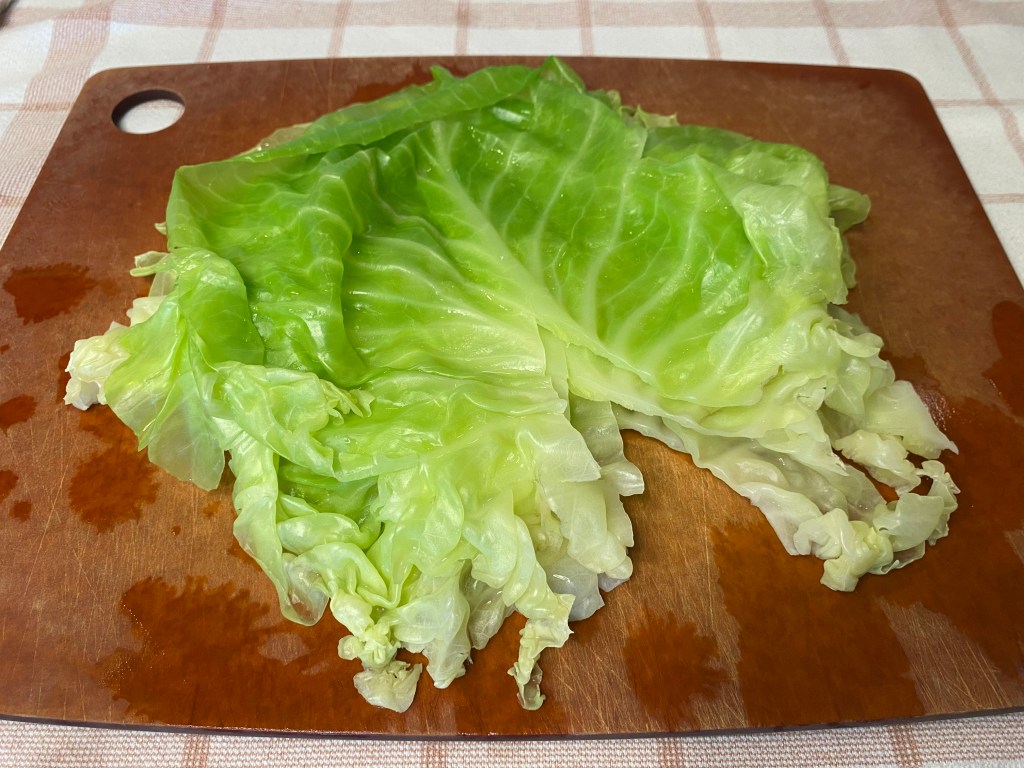
3.) Now we’ve got to roll everything up. I’ve seen people do this in different ways, but I laid the cabbage leaves down on a cutting board, and placed a small tablespoon sized meatball slightly above the cut out slit I made on the bottom of the leaves. Fold it up and roll it, tucking in the corners as best you can. This will possibly look messy as it can be way harder than you can imagine at first. Practice a little while, and remember, you can always get more cabbage. Try to use the larger leaves since as you go on, the cabbage leaves get smaller and smaller and less forgiving, hence buying two cabbages will do you better in the long run.
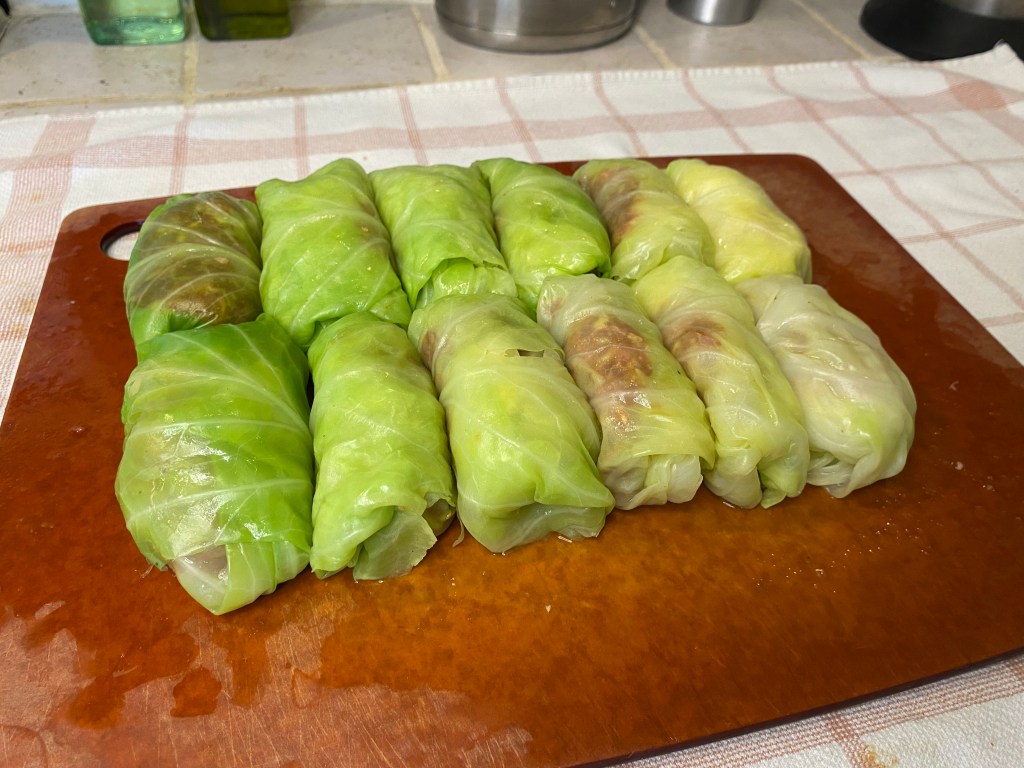
Get back to your pot, and dump enough sauerkraut just to fill the bottom, distributing it evenly. Start to bring your heat up, and lay as many sarma rolls on top of the sauerkraut as you can. Once you’re done with a single layer of sarma, cover it all up with the rest of your sauerkraut. You’ll probably have a bunch of meat left over, enough for an entire second batch. You’ll also probably need more sauerkraut to make another, but hey, you don’t have to buy that fancy artisan stuff, even the non-refrigerated canned stuff will do very nicely. What it’s doing is imparting the sour, fermented flavor unto the rolls, giving them some tang.
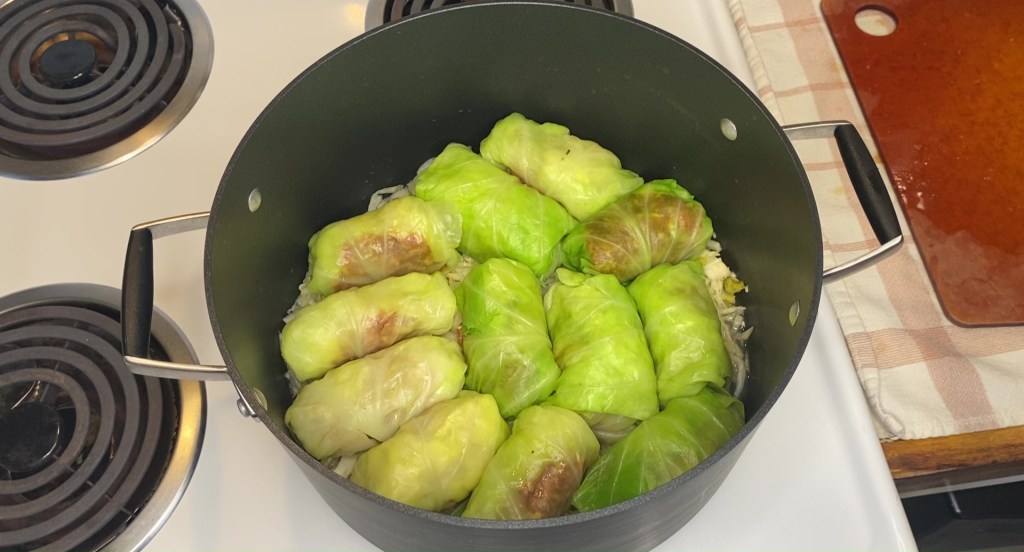
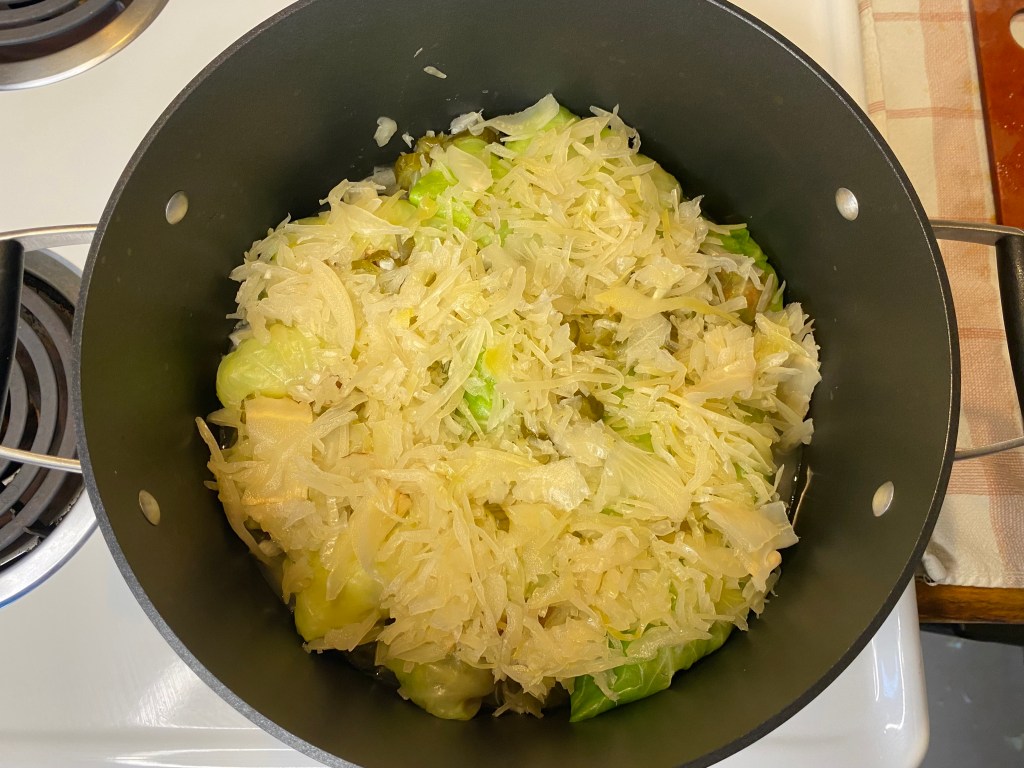
Add just enough water to cover everything, and don’t pour directly over the sarma, but down the side of the pot as to not disturb your creation. Cover, bring to a boil, and then immediately reduce to a low simmer. Cook somewhere between one hour and thirty minutes to two hours, watching the water level. Make sure it doesn’t evaporate all the way, or you’re be grilling the sauerkraut on the bottom, which won’t turn out well over a long period of time.
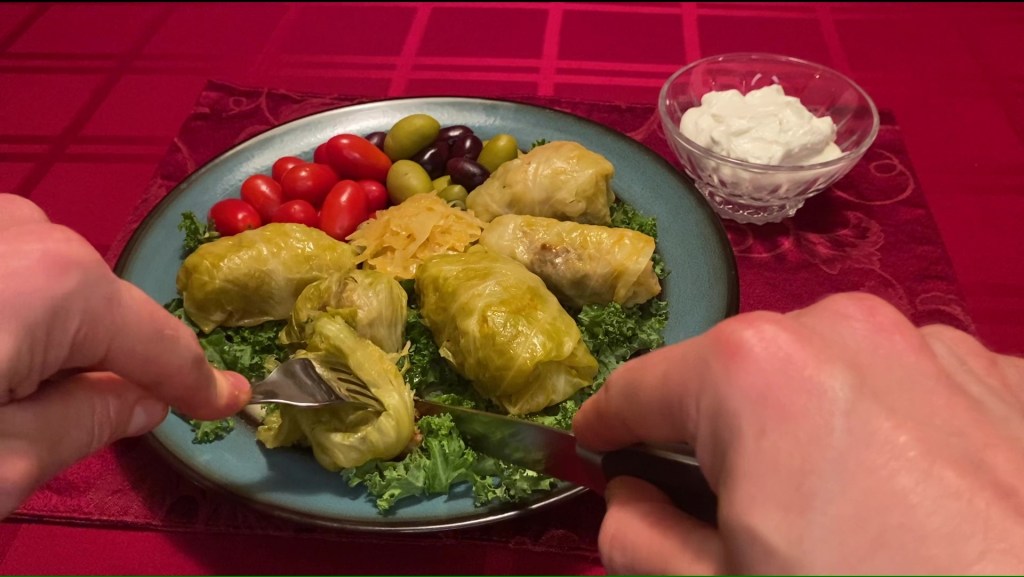
4.) Once you’ve hit at least the hour and a half mark (the longer the better), remove the sarma from the sauerkraut and place onto a dish. Brush off the sauerkraut as best you can from the sarma for presentation. There are many things you can serve with sarma: potatoes, tomatoes, or even that gallon of sauerkraut you’ve got lying around! One very traditional thing to dip your sarma in would be kajmak (pronounced kai-mock), which is a very common type of clotted cream from the Balkans through central Asia. But guess what? If you’re in the English speaking world reading this, you probably have no chance of finding any in a grocery store. Also guess what? You can use English clotted cream with a pinch of salt added, or you can just use sour cream for brevity’s sake.
So that’s it! You might have to go through a couple of heads of cabbage to get it right, but your hard work will pay off. A lot of the fun in this dish is not just the final destination, but the ride getting there. Hopefully, by the end of the meal, you’ll be asking, “Gdje su one svinje u deku?“

Leave a comment